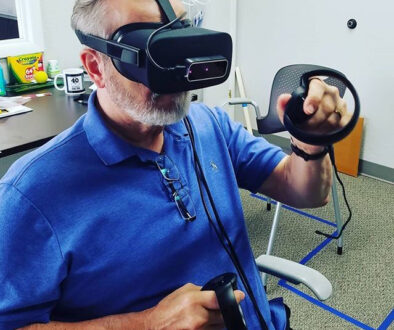
The VTS-4 HoloLens and Personalized Vision Therapy
If you or your child has been referred for vision therapy, you may have questions about the equipment involved.
One tool you might hear about is the VTS-4 HoloLens, a headset that brings augmented reality into the therapy room. At Cook Vision Therapy, we use this system as one tool within personalized care, with our doctors guiding the plan. Understanding what the headset does can help you ask informed questions about where it fits in your care. Here is a plain-language look at its features and the decisions that belong to your clinician
What the VTS-4 HoloLens Is
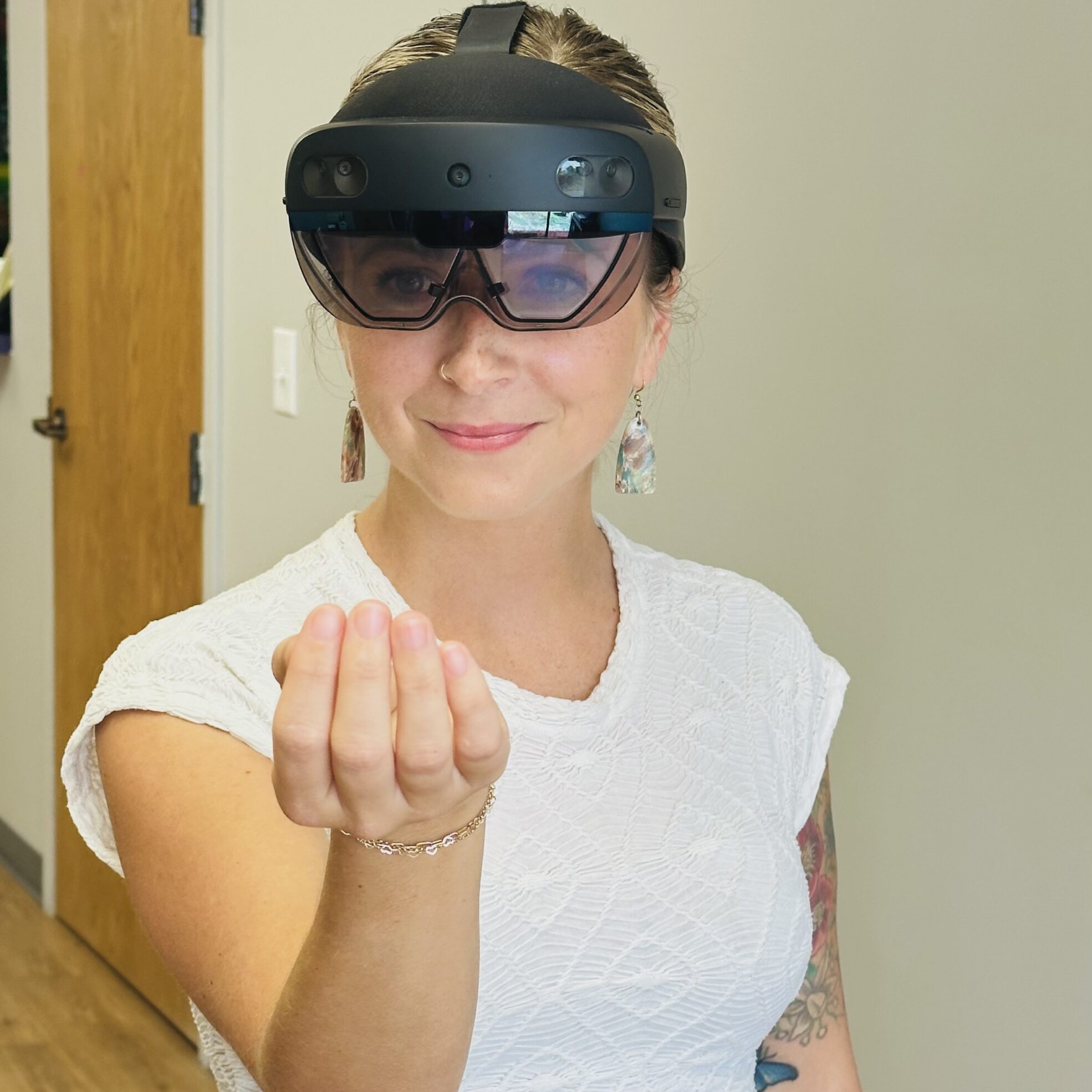
The VTS-4 HoloLens is what its maker calls a Holographic Vergence Exercise System, built on an augmented reality headset. The HoloLens uses see-through holographic lenses, allowing digital images to appear in your field of view while you can still see your surroundings. Vergence is the way your two eyes aim together at the same point, whether that point is close to your face or across the room.
Put those ideas together and you have a headset that can show three-dimensional targets a patient works with during a guided therapy session. The images look like they are floating in the space in front of you, and the exercises ask your eyes to respond to them.
Eye Teaming and Why It Can Break Down
Eye teaming is the coordination that lets both eyes work together as a single pair. When you look at something near, your eyes turn inward so the two separate images line up into one clear picture. For many people, eye teaming works without any conscious effort, so trouble in this area can be easy to overlook until reading or close work becomes uncomfortable. In a condition called convergence insufficiency, the eyes have trouble holding that inward aim at near distances, which can lead to blurry or double vision, tired eyes, and headaches during reading or close work, according to the National Eye Institute. Symptoms like these are not a diagnosis on their own, and an exam is what tells you what is causing them.
How the Headset Adapts to Your Eyes
This is where computer orthoptics come in. In this system, computer orthoptics means using software to present and adjust eye-coordination exercises. The VTS-4 HoloLens includes independent eye tracking, which means it can follow where each eye is pointing and use that reading to change the demand placed on your eye teaming. The targets you see can be moved, rotated, or changed so an exercise becomes easier or more challenging (HTS product documentation).
These controls give the clinician options for changing the visual task. Choosing the appropriate exercise and interpreting your response remain parts of clinical care. A description of what the equipment can do does not tell you which settings or exercises you need.
The Exercises It Can Support
The system can support a range of familiar vision therapy activities in an augmented reality format. Examples include smooth vergence exercises, pursuits (following a moving target with your eyes), saccades (shifting the eyes in fast jumps from one point to another), and a digital Brock String exercise. It can present three-dimensional stereo targets, and it can save each patient’s session results so a doctor can review progress across visits (HTS product documentation).
These are options a doctor may draw from when building a session, and the mix depends on what your plan is meant to address.
You can ask your clinician to explain what to look for in each activity. If an image looks doubled, becomes hard to keep clear, or feels uncomfortable, pause and describe that experience to the team instead of guessing what your response should be.

What the System Does Not Do
It helps to be clear about the limits of the equipment. The maker states that the VTS-4 HoloLens does not treat or diagnose any specific medical condition or disease (HTS product documentation). The headset is a tool used inside a therapy plan; it is not a treatment on its own, and it does not stand in for the clinical judgment of your eye doctor. Device suitability also involves age. Microsoft’s HoloLens 2 guidance says that headset is not intended for children younger than 13. Ask our team which tools fit your child’s age and evaluation.
Why We Start With an Evaluation
When therapy is recommended, we build a personalized vision therapy program that may combine exercises, instruments, lenses, and computerized systems, and we watch how you respond and adjust the program as we go.
Choosing a therapy plan starts with an evaluation. During a vision therapy evaluation, we take a case history that covers the visual concerns affecting your everyday life, and we tailor the assessment to your needs. Because vision connects to so much of everyday life, we listen for the goals you bring to us, whether that is reading without discomfort, easier screen time, or feeling steadier during sports. Our doctors then share what they found and whether you or your child is a candidate for therapy.
A headset like the VTS-4 HoloLens is one option a doctor might include, chosen because it fits the plan rather than the other way around.

Talk With Us About Vision Therapy in Marietta
If you are weighing vision therapy, a few honest questions can help you feel grounded. Ask what your evaluation showed, what a proposed plan is meant to address, how progress will be measured, and where a tool like the VTS-4 HoloLens fits in. You can also ask how the team will connect session findings with the concerns that brought you in. Bring those concerns to the appointment so the discussion stays focused on your needs.
Our team at Cook Vision Therapy practices in Marietta and serves families across Metro Atlanta, with Dr. David Cook and Dr. Ekta Patel guiding care. If you are curious whether therapy could help you or your child, the next step is an evaluation, and we are glad to talk it through. You can schedule an evaluation with us when you are ready.