Optometric Vision Therapy for Strabismus: Does It Work?
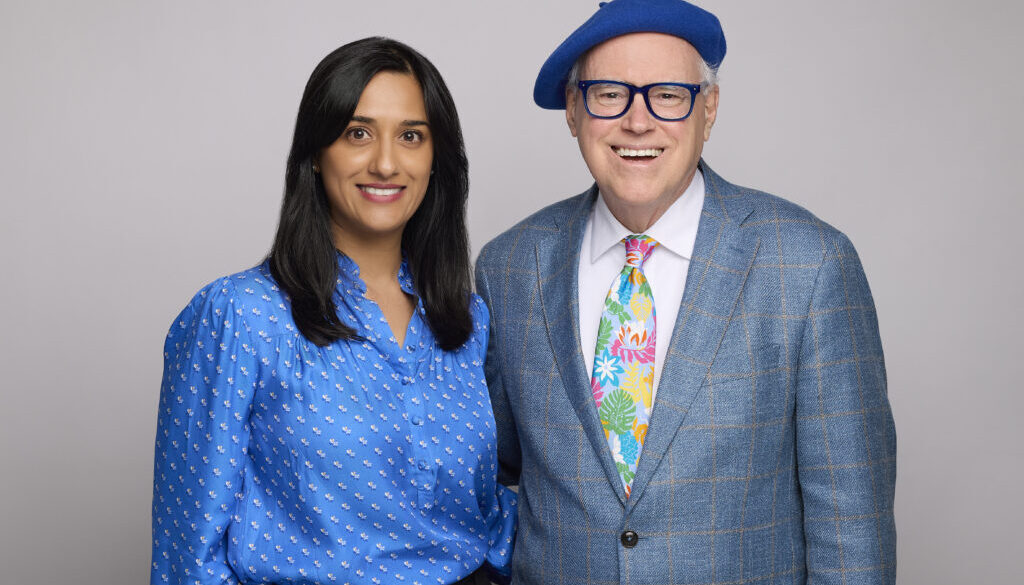
Recent peer-reviewed research shows that 85% of strabismus patients achieved cosmetically aligned eyes and improved 3D depth perception through Optometric Vision Therapy (OVT)—often without the need for surgery. Based on a 2025 study of 75 patients by Dr. David L. Cook, this non-surgical approach trains the brain and eyes to work together to treat eye turns (crossed or wandering eyes) effectively in both children and adults.
[Schedule a Strabismus Evaluation in Marietta]
The Study at a Glance
Dr. Cook’s study followed 75 patients, ranging in age from five to fifty-five, all diagnosed with either esotropia (inward eye turn) or exotropia (outward eye turn).
After completing a customized program of optometric vision therapy, 65 of the 75 patients—over 85%—achieved both:
- Cosmetically aligned eyes, meaning the eyes appeared straight and coordinated in daily life.
- Improved two-eyed depth perception (stereopsis or 3D vision), showing the brain learned to use both eyes together effectively.
These results suggest that for the majority of strabismus cases, vision therapy can train the brain and eyes to work together—without surgery.

Beyond Alignment: Vision Therapy and Quality of Life
The benefits went well beyond physical eye alignment. Dr. Cook’s research found that successful vision therapy led to improvements in:
- Confidence and self-esteem
- Reading comfort and stamina
- Clarity and focus
- Attention and concentration
- School performance
- Coordination and sports performance
- Night driving and depth judgment
In other words, OVT didn’t just change how the eyes looked—it transformed how patients see and live.
Real-World Results: Patient Testimonials
Here are two excerpts from patients in Dr. Cook’s study that illustrate the personal impact of these changes:
“Before therapy my left eye was stuck over in the right corner of that eye and because of that I was very embarrassed and had low self-esteem. My right eye was very tired and both eyes were red all the time. Since therapy both eyes are straight and clear. I am no longer embarrassed and am happy to interact with other people because I don’t have to worry about what my left eye is doing or what they are thinking about my eye.”
“The double vision I was experiencing has gone and I am able to focus in almost every direction more easily. Reading and using the computer terminal is much easier. Driving is not scary anymore and is not the challenge to stay steady as previously experienced. I have learned to compensate for focusing problems to the point it is a natural reflex in using my eyes, and I do not have eye strain as in the past.”
These real patient experiences highlight that optometric vision therapy not only straightens the eyes—it restores comfort, confidence, and visual function.
What This Means for Patients
Dr. Cook’s research demonstrates that non-surgical vision therapy can be a powerful, life-changing option for patients with strabismus—both children and adults.
If you or your child struggles with an eye turn, double vision, or depth-perception difficulties, you don’t have to live with the limitations of strabismus or rely solely on surgery. A comprehensive vision therapy evaluation can determine if your eyes and brain can be retrained to see clearly and comfortably together.
To learn more about how Cook Vision Therapy treats strabismus and other binocular vision conditions, or to schedule a Vision Therapy Evaluation, visit our Vision Therapy for Strabismus page or call our office in Marietta, GA.