Living with Visual Snow: Understanding and Coping
Visual snow is a neurological condition characterized by the perception of persistent visual disturbances, resembling the static or “snow” seen on a television screen that is not tuned to a channel. Individuals with visual snow experience a constant overlay of tiny flickering dots across their entire visual field, which can be particularly distressing and debilitating. This phenomenon is not merely an optical illusion; it is a genuine sensory experience that can significantly affect a person’s quality of life.
The condition can occur in conjunction with other visual disturbances, such as light sensitivity (photophobia), afterimages, and enhanced perception of motion. The exact prevalence of visual snow is not well-documented, but anecdotal evidence suggests that it affects a small percentage of the population. Many individuals report that the symptoms began in childhood or adolescence, although the onset can vary widely.
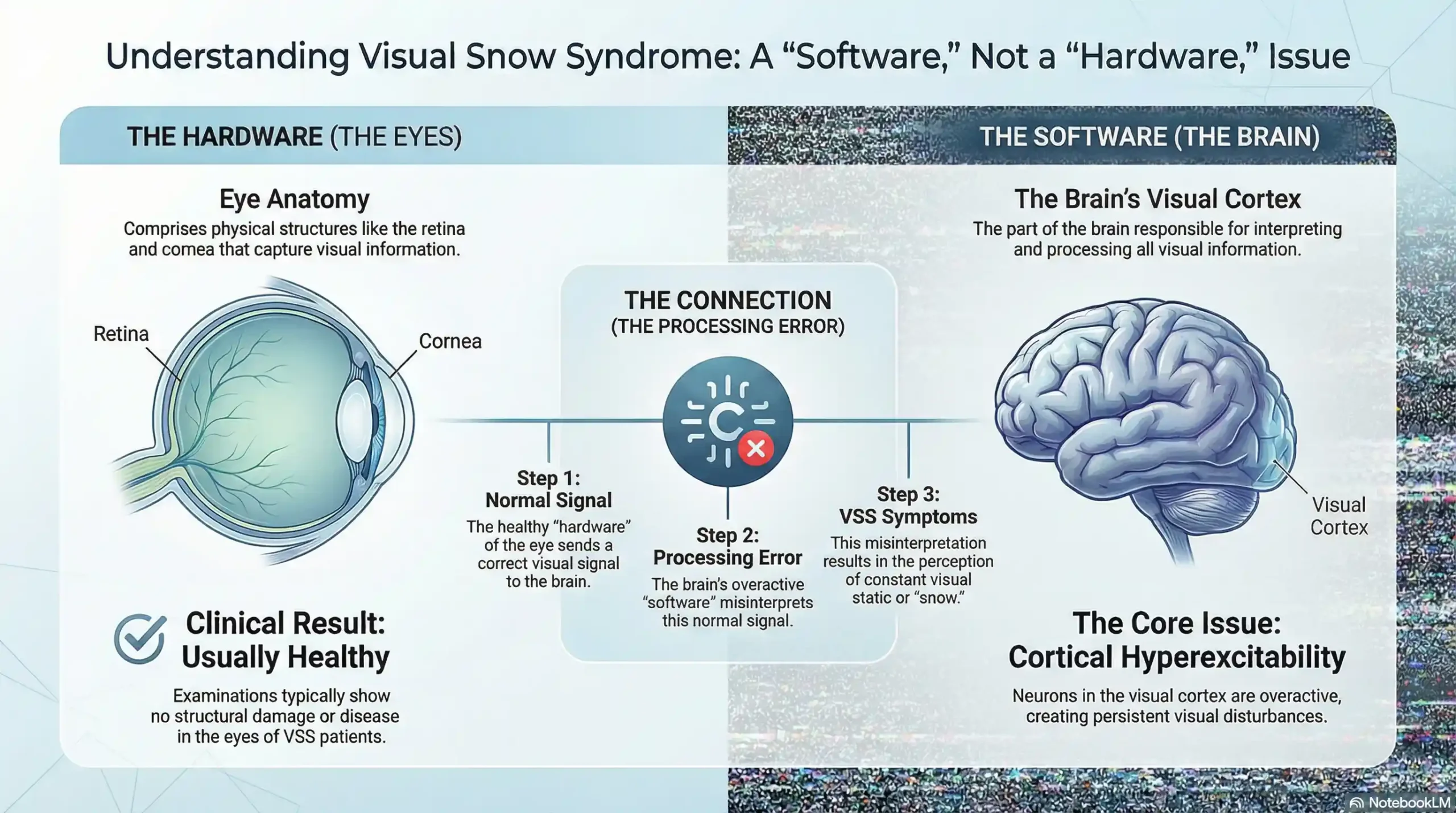
The condition is often misunderstood or misdiagnosed, leading to frustration for those who suffer from it. Unlike typical visual impairments, visual snow does not stem from issues with the eyes themselves but rather from how the brain processes visual information. This distinction is crucial for understanding the nature of the disorder and its implications for those affected.
Key Takeaways
- Visual Snow is a neurological condition characterized by persistent visual disturbances resembling static or “snow.”
- Symptoms include seeing flickering dots, afterimages, and light sensitivity, often diagnosed through clinical evaluation.
- Causes are not fully understood but may involve abnormal brain activity and visual processing pathways.
- Coping strategies focus on managing symptoms through lifestyle adjustments and stress reduction techniques.
- Treatment options are limited, but ongoing research aims to find effective therapies and improve patient support.
Symptoms and Diagnosis of Visual Snow
The symptoms of visual snow can vary in intensity and may include a range of visual disturbances. The hallmark symptom is the persistent presence of “visual snow,” which manifests as tiny, flickering dots that obscure the visual field. Many individuals also report experiencing additional symptoms such as light sensitivity, which can make bright environments uncomfortable or even painful.
Some may experience afterimages, where they continue to see an image even after it has been removed from their field of vision. Other associated symptoms can include difficulty with night vision, halos around lights, and even migraines. Diagnosing visual snow can be particularly challenging due to its overlap with other neurological and ophthalmological conditions.
There is no specific test for visual snow; instead, diagnosis typically involves a thorough clinical evaluation by a healthcare professional. This may include a detailed medical history, an assessment of symptoms, and ruling out other potential causes of visual disturbances through imaging studies or eye examinations. The International Classification of Headache Disorders has recognized visual snow as a distinct entity, which has helped in raising awareness among healthcare providers and facilitating more accurate diagnoses.
Understanding the Causes of Visual Snow
The precise causes of visual snow remain largely unknown, but research suggests that it may be linked to abnormal processing in the brain’s visual pathways. Some theories propose that individuals with visual snow have heightened neural activity in the visual cortex, leading to an increased perception of visual stimuli. This hyperactivity could result from various factors, including genetic predisposition, neurochemical imbalances, or even previous neurological events such as migraines or head trauma.
Recent studies have explored the potential role of neurotransmitters in visual snow. For instance, alterations in serotonin and dopamine levels have been implicated in various neurological conditions, and similar mechanisms may contribute to the symptoms experienced by those with visual snow. Additionally, some researchers are investigating the possibility that visual snow could be related to other conditions such as persistent migraine aura or even forms of synesthesia, where stimulation of one sensory pathway leads to involuntary experiences in another pathway.
Understanding these underlying mechanisms is crucial for developing effective treatment strategies.
Coping Strategies for Living with Visual Snow
Living with visual snow can be challenging, but there are several coping strategies that individuals can employ to manage their symptoms effectively. One common approach is to minimize exposure to triggers that exacerbate symptoms. For example, many people with visual snow find that bright lights or high-contrast environments can intensify their discomfort.
Wearing sunglasses or blue-light-blocking glasses in bright settings may help reduce light sensitivity and make daily activities more manageable. Mindfulness and relaxation techniques can also play a significant role in coping with the psychological impact of visual snow. Practices such as meditation, yoga, and deep-breathing exercises can help individuals develop greater awareness of their symptoms and reduce anxiety associated with them.
Cognitive-behavioral therapy (CBT) may also be beneficial for some individuals, as it can provide tools for reframing negative thoughts and developing healthier coping mechanisms. Engaging in supportive communities, whether online or in-person, can also foster a sense of belonging and understanding among those who share similar experiences.
Treatment Options for Visual Snow
Currently, there is no universally accepted treatment for visual snow, primarily due to the lack of comprehensive understanding regarding its etiology. However, several treatment options have been explored with varying degrees of success. Medications commonly used for migraine prevention, such as topiramate or lamotrigine, have been reported by some patients to alleviate symptoms associated with visual snow.
These medications work by stabilizing neuronal activity and may help reduce the frequency or intensity of visual disturbances. In addition to pharmacological approaches, some individuals have found relief through alternative therapies such as acupuncture or neurofeedback. These methods aim to balance brain activity and improve overall well-being.
While anecdotal evidence supports their efficacy for some patients, more rigorous scientific studies are needed to establish their effectiveness conclusively. As research continues to evolve, there is hope that targeted therapies will emerge that specifically address the unique challenges posed by visual snow.
Support and Resources for People with Visual Snow
For individuals grappling with visual snow, finding support and resources can be invaluable in navigating the complexities of the condition. Online forums and support groups provide platforms for sharing experiences and coping strategies among those affected by visual snow. Websites dedicated to raising awareness about the condition often feature personal stories, research updates, and information on how to connect with others facing similar challenges.
Healthcare professionals specializing in neurology or ophthalmology may also offer valuable insights and guidance for managing symptoms. It is essential for individuals to seek out practitioners who are knowledgeable about visual snow and its implications. Additionally, educational resources such as pamphlets or informational websites can help demystify the condition for both patients and their families, fostering understanding and empathy.
Impact of Visual Snow on Daily Life and Mental Health
The impact of visual snow extends beyond mere visual disturbances; it can significantly affect various aspects of daily life and mental health. Many individuals report difficulties in performing routine tasks such as reading, driving, or using digital devices due to the constant overlay of visual noise. This can lead to frustration and a sense of helplessness as they navigate environments that others may find unremarkable.
Moreover, the psychological toll of living with a chronic condition like visual snow cannot be understated. Anxiety and depression are common among those affected, often stemming from feelings of isolation or misunderstanding from others who do not experience similar symptoms. The unpredictability of symptoms can also contribute to heightened stress levels, making it essential for individuals to develop effective coping mechanisms and seek support when needed.
Research and Future Outlook for Visual Snow
Research into visual snow is still in its infancy, but recent advancements are beginning to shed light on this enigmatic condition. Studies utilizing neuroimaging techniques have provided insights into potential abnormalities in brain activity associated with visual snow, paving the way for more targeted research efforts. As awareness grows within the medical community, there is hope that more comprehensive studies will emerge to explore the underlying mechanisms and potential treatment options.
The future outlook for individuals with visual snow is cautiously optimistic. As researchers continue to investigate the condition’s causes and effects, there is potential for breakthroughs that could lead to effective therapies tailored specifically for those affected. Increased collaboration between neurologists, ophthalmologists, and researchers will be crucial in advancing our understanding of visual snow and improving the lives of those who live with it daily.
With ongoing advocacy efforts aimed at raising awareness about this condition, there is hope that individuals will receive the recognition and support they deserve as they navigate their unique experiences with visual snow.
Visual snow syndrome is a perplexing condition that affects a person’s visual perception, often described as seeing static or “snow” in their field of vision. For those interested in understanding more about vision-related issues, a related article on night driving vision problems can provide valuable insights into how various visual disturbances can impact daily activities. You can read more about this topic in the article here.
FAQs
What is visual snow?
Visual snow is a neurological condition characterized by the perception of tiny flickering dots or static, similar to the noise on a television screen, across the entire visual field.
What causes visual snow?
The exact cause of visual snow is not fully understood, but it is believed to involve abnormal processing in the brain’s visual pathways. It may be linked to migraine, neurological disorders, or other underlying conditions.
What are the common symptoms of visual snow?
Common symptoms include seeing continuous static or “snow” in the vision, afterimages, light sensitivity, trailing effects, and difficulty seeing in low light. These symptoms are persistent and can affect daily life.
Is visual snow a permanent condition?
Visual snow is generally considered a chronic condition, meaning it can persist over time. However, the severity of symptoms may vary, and some individuals may experience improvement.
How is visual snow diagnosed?
Diagnosis is primarily clinical, based on patient history and symptom description. There are no specific tests for visual snow, but doctors may perform neurological exams and imaging to rule out other causes.
Are there treatments available for visual snow?
Currently, there is no definitive cure for visual snow. Treatment focuses on managing symptoms and may include medications, lifestyle changes, and coping strategies. Some patients find relief through migraine treatments or visual therapy.
Can visual snow affect vision permanently?
Visual snow affects perception but does not cause physical damage to the eyes. It is a neurological phenomenon rather than an eye disease, so it does not lead to permanent vision loss.
Is visual snow related to migraines?
Yes, many individuals with visual snow also experience migraines, and the two conditions may share similar neurological mechanisms. However, visual snow can occur independently of migraines.
Who is most likely to develop visual snow?
Visual snow can affect people of all ages but often begins in young adulthood. It appears to be more common in individuals with a history of migraines or other neurological conditions.
When should someone see a doctor about visual snow?
If you experience persistent visual disturbances like static or flickering dots, especially if accompanied by other neurological symptoms, it is important to consult a healthcare professional for evaluation and to rule out other causes.